
PlANTS TAKE PRACTICE
KEEP GROWING
TAKE IT EASY
Plants are supposed to make life calmer… but sometimes they do the opposite. If you’ve ever felt frustrated because a plant died (or three), you’re not alone. Most plant people have a “plant graveyard” phase — it’s part of learning. This post is a reminder to take it easy, keep it simple, and focus on a few basics that make the biggest difference.


WATERING
Don’t complicate it. No schedule needed. Just do the finger test—stick your finger into the soil, and if it feels dry, water. If it still feels damp, wait. Over time, you’ll start noticing your plant’s patterns and you’ll naturally know when it dries out and is ready for water.
LIGHT
Don’t overthink light. Most indoor plants just want bright, indirect light near a window. If your plant is stretching, leaning, or growing tiny leaves, it usually needs more light. Move it a little closer and give it a week or two—you’ll see the difference.


SOIL
Keep soil simple. Use a good potting mix and make sure it drains well. If water sits in the pot for too long, roots struggle. You don’t need the “perfect” mix—just avoid heavy, muddy soil and choose something that lets water flow through.


DRAINAGE
Don’t skip drainage. A pot with holes is the easiest way to avoid soggy roots. If your pot doesn’t have holes, use it as a cover pot and keep your plant in a plastic nursery pot inside—so you can water, let it drain, and put it back.


REPOTTING
Repot only when the plant is asking for it. If roots are circling the bottom, coming out of holes, or the plant dries out way too fast, it’s time. Move up just one pot size—not too big—and your plant will adjust faster.


FERTILIZING
Don’t rush fertilizer. If your plant is stressed, fix light and watering first. Fertilizer is for healthy plants that are actively growing. A little during the growing season is enough—more doesn’t mean better.


HUMIDITY
Humidity is a bonus, not a requirement for most plants. If your leaves get crispy edges, you can try grouping plants together or placing a small water tray nearby. But don’t stress—consistent watering and decent light matter more.


PESTS
Pests happen to everyone, so don’t panic. If you see bugs, isolate the plant, wipe the leaves, and treat it consistently. One treatment isn’t magic—repeating it calmly is what works.


YELLOW LEAVES
Yellow leaves don’t always mean you’re failing. One or two can be normal. If many leaves turn yellow fast, it’s usually too much water or not enough light. Adjust one thing, then wait and observe.
BROWN TIPS/EDGES
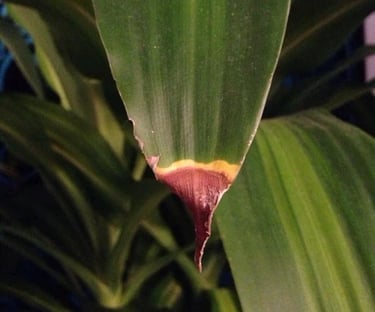
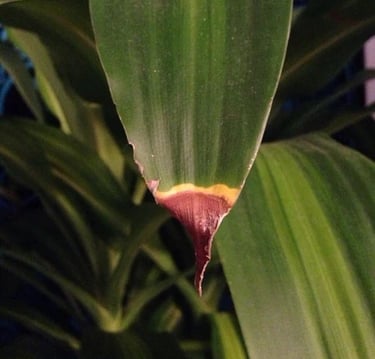
Brown tips usually mean the plant got too dry, the air is very dry, or watering has been inconsistent. Trim the brown parts if you want, then focus on steady care—not perfection.


GROWTH
Growth comes in seasons. Some months your plant will do nothing and that’s okay. If it’s healthy and stable, it’s still a win. Plants aren’t machines—they don’t grow on demand.
CURATED PLANT FINDS
I’ve put together blog posts with products I recommend—pots, soil mixes, plant tools, and more. Click below to choose a blog and shop the picks inside it.
MY FAVORITE FINDS
࣪ ִֶָ☾.
CONTACT US
Have a plant question, need help saving a struggling plant, or want recommendations? Send me a message and I’ll get back to you as soon as I can.